

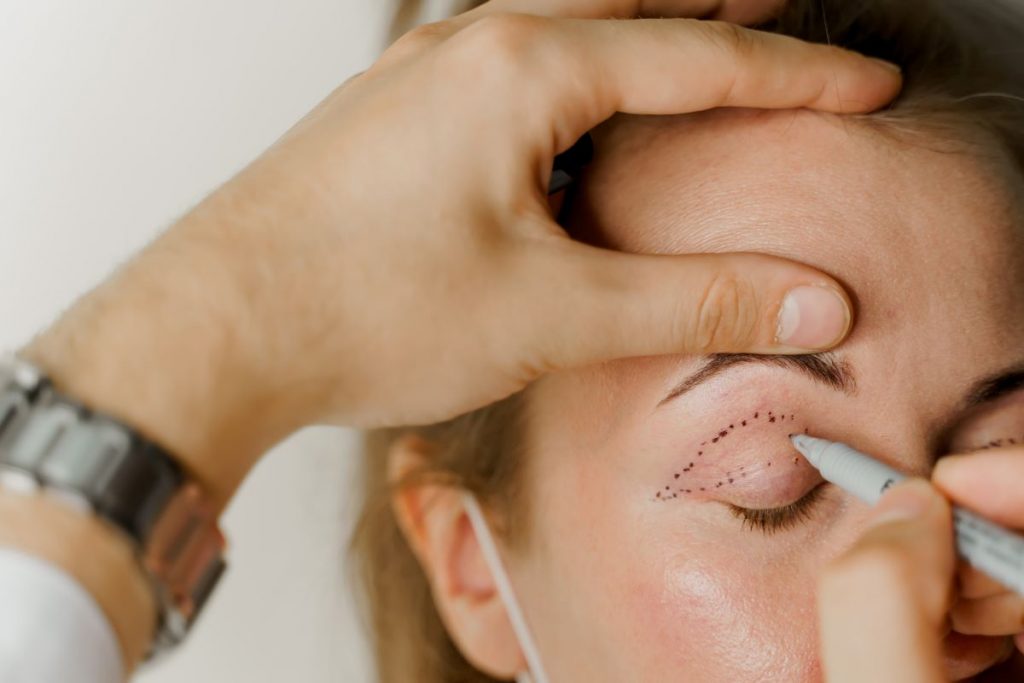

Thyroid Eye Disease (TED), also known as Graves’ orbitopathy or Graves’ eye disease, is an autoimmune disorder affecting tissues around the eye (orbital fat, muscles, connective tissue) (1,2). Orbital decompression surgery is one of the most effective surgical treatments for people with thyroid eye disease (TED) whose symptoms are moderate to severe, progressive, or when they begin to threaten vision (3,4). However, it’s also for people who are stable but still have proptosis and want their eyes to be as posterior as they were before disease progression. The goal is to enlarge the eye socket so that swollen, inflamed tissues can expand without compressing the eye or optic nerve (5). This can significantly reduce bulging of the eyes (proptosis), relieve intra-orbital pressure, improve comfort, and preserve vision.
But it is important to know if and when orbital decompression might be needed, especially when TED is being managed through other interventions, including medications. We’ll explore key signs and clinical indications that prompt many specialists to recommend this surgery.
Significant Eye Bulging (Proptosis)
One of the most visible and common reasons patients consider orbital decompression is pronounced bulging of the eyes, medically known as proptosis. In TED, inflammation causes the fat and muscles behind the eye to swell. Because the orbit is a rigid bony cavity, this pushes the eyes forward, the only possible direction of movement, thereby resulting in the eyes appearing more prominent. You might be a candidate for orbital decompression if:
- Your eyes appear significantly more prominent than they used to
- You or others have noticed increased “staring” from the “wide-open” appearance
- Eyelids no longer close completely because of forward displacement
- Discomfort, dryness, or irritation because the eyelids cannot seal well
Why it matters: Left uncorrected, proptosis can lead to more chronic irritation of the exposed eye surface, corneal problems due to exposure, and persistent discomfort that is hard to manage with lubricating drops alone.
Persistent Eye Pain or Pressure on the Eyeballs
Pain, pressure, or a deep aching sensation around or behind the eye can be more than just typical inflammation, especially if it becomes protracted and it may indicate that the orbit has become too crowded. You may feel:
- Constant discomfort that does not go away with conservative therapy, such as icing or hot towels over the eyes
- A sensation of tightness or “fullness” behind the eyes
- Pain worsens when you bend forward or look in certain directions
- Pressure bad enough to interrupt sleep or daily activities
Why it matters: Orbital decompression relieves this pressure by expanding the bony orbit and creating space for swollen tissues to shift, helping to reduce chronic pain and discomfort.
Constant Recurrent Double Vision (Diplopia) That Affects Daily Life
Double vision occurs when the swollen extraocular muscles that control eye movement are unable to coordinate effectively. In TED, muscle swelling can disrupt alignment and the ability to focus on a single point. You might notice:
- Two images instead of one, especially when gazing in certain directions
- Difficulty driving, reading, or performing tasks requiring focus
- Persistent double vision despite treatment for active inflammation
While double vision can sometimes improve on its own or be managed with prisms or strabismus surgery, when it is caused by crowding or swelling or misalignment due to orbital volume restriction, decompression may help. Also, it is important to note that some patients may experience temporary double vision immediately after decompression surgery due to changes in orbital structure, but long-term alignment often improves and can be addressed with additional corrective procedures if needed.
Vision Changes or Blurriness
Perhaps the most concerning sign warranting orbital decompression is progressive visual changes. This may include:
- Blurred or dimmed vision
- Difficulty perceiving colors
- Visual field loss (missing parts of vision or hazy edges in the field of vision)
- Sudden or noticeable decrease in visual sharpness
These symptoms can indicate optic nerve compression, where swollen tissues press on the optic nerve that carries visual information from the eye to the brain. Also, decompression becomes urgent if imaging (CT/MRI) and clinical testing show optic nerve involvement and many surgeons view this as an indication for prompt intervention to prevent permanent vision loss.
Inability to Fully Close the Eyelids (Exposure Keratopathy)
When severe proptosis causes the eyes to bulge forward, the eyelids may not close fully, a condition called lagophthalmos, which canlead to exposure keratopathy:
- Persistent dryness
- Corneal irritation and pain
- Red, sore eyes
- Risk of corneal ulcers or scarring
Standard eye drops and protective measures (like eye shields at night) may help early on, but when the surface remains constantly exposed or problems worsen, orbital decompression can restore better eyelid function by reducing forward displacement.
Cosmetic Concerns Impacting Quality of Life
Appearance is a valid and often under-emphasized reason for considering orbital decompression. Although functional needs like vision preservation take priority, many patients find that severe proptosis affects confidence, self-esteem, social comfort, and quality of life.
Cosmetic concerns that may justify decompression include:
- Visible “wide-eyed” appearance that feels unnatural and affects aesthetic features
- Asymmetry between the eyes
- Persistent eyelid retraction that makes the eyes look more prominent
For many patients, decompression not only improves comfort and function but also restores facial balance and supports psychosocial well-being.
Failure of Conservative or Medical Management
Surgery is usually a last resort and before moving to surgery, most clinicians try non-surgical options when TED is in its active inflammatory phase. These interventions include:
- Systemic corticosteroids
- Steroid-sparing immunomodulators
- Targeted biologic therapies with monoclonal antibodies like teprotumumab (Tepezza)
- Orbital radiation in select cases
- Lubricants and lifestyle measures
These can be highly effective, particularly when inflammation is the main driver of symptoms. However, when these modalities do not achieve the desired reduction in proptosis or optic nerve risk, or when persistent pain or functional impairment persists, orbital decompression becomes a natural course of action.
Timing Matters: Planned Intervention Over an Immediate Fix, Except for Emergencies
Orbital decompression is often reserved for the stable or inactive phase of TED, unless there is a possible threat to vision, such as compressive optic neuropathy. Otherwise, typical timing considerations include:
- Active phase: Medical treatments are first provided unless vision is at immediate risk
- Inactive phase: Once inflammation has stabilized, decompression can offer long-lasting benefit
- Sequential surgery: Decompression is usually done before eye muscle or eyelid surgeries to optimize outcomes and alignment.
Working with a specialist helps determine the right moment of balance between reducing risk and maximizing surgical benefit. When orbital decompression is being considered, a thorough evaluation often includes:
Clinical examination
- Measurement of proptosis with devices like exophthalmometry
- Assessment of eyelid position, closure, and eye movement
- Visual acuity, presence of diplopia and color testing
Imaging
- High-resolution CT or MRI to visualize orbital tissues, muscles, fat, and proximity to the optic nerve
- Imaging is also needed to make a decision on the extent of decompression, and which walls (medial, lateral, floor) are to be addressed.
Thorough history and expectation discussion
- Symptoms, quality of life, cosmetic concerns, and visual priorities
- Review of prior medical therapy
- Discussion of possible outcomes, risks, and recovery
You can learn more about how to prepare specifically for orbital surgery, including preoperative instructions and what to expect in recovery, at this detailed guide: https://raymonddouglasmd.com/preparing-for-orbital-surgery-and-what-it-takes.
Schedule a Consultation With a Thyroid Eye Disease Specialist to Discuss Your Surgery Options
Orbital decompression surgery is a powerful treatment option for people with thyroid eye disease when vision, comfort, or quality of life are compromised. Recognizing these signs early and working with an experienced specialist such as Dr. Raymond Douglas ensures you receive timely care that protects your vision, comfort, and confidence. If you are suffering from proptosis along with other symptoms like pain, or vision problems and are considering orbital decompression, do not hesitate to schedule an appointment with Dr. Raymond Douglas.
References
- <autoimmune_diseases_and_your_environment_508.pdf>.
- Fox, T., Kossler, A. L. & Dosiou, C. Thyroid Eye Disease: Management, Advances, and Future Opportunities. Endocr Pract 31, 1319-1328 (2025). https://doi.org/10.1016/j.eprac.2025.06.011
- Dhaliwal, N. K. & Razzaq, L. The Management of Thyroid Eye Disease: From Current Practice to Future Perspectives. Cureus 17, e86483 (2025). https://doi.org/10.7759/cureus.86483
- Rootman, D. B. Orbital decompression for thyroid eye disease. Surv Ophthalmol 63, 86-104 (2018). https://doi.org/10.1016/j.survophthal.2017.03.007
- Gupta, V.et al. Thinking inside the box: Current insights into targeting orbital tissue remodeling and inflammation in thyroid eye disease. Surv Ophthalmol67, 858-874 (2022). https://doi.org/10.1016/j.survophthal.2021.08.010
 English
  Spanish