

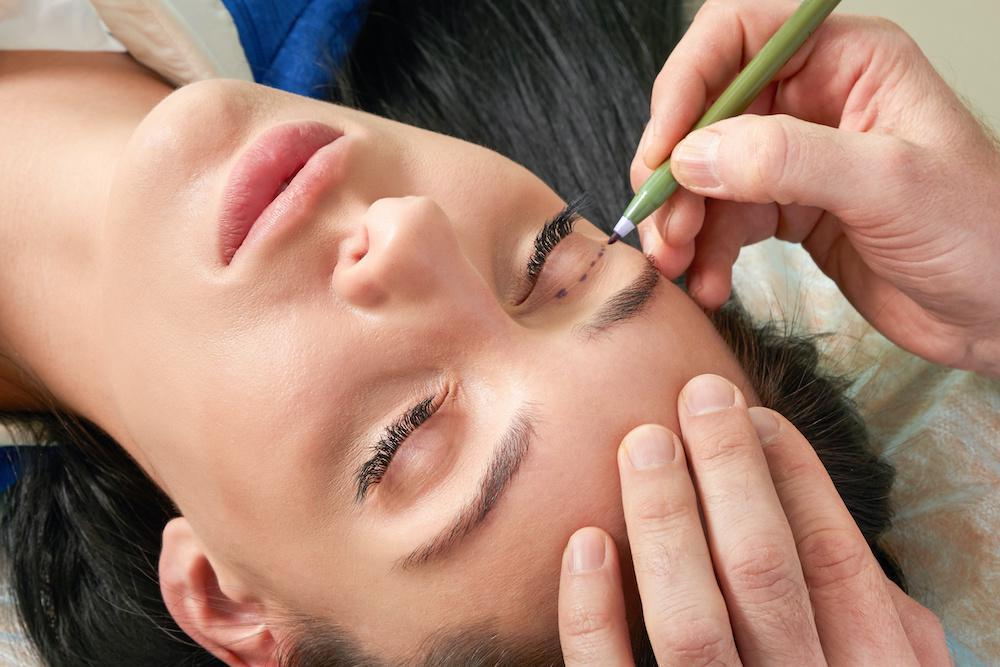

If your eyelids droop below a certain position, they’re considered to be ptotic. If your eyelids droop to this degree, you have a condition known as ptosis or blepharoptosis. You can have this condition for a variety of reasons, including congenital ptosis or as part of an inherited condition.
Extreme ptosis can negatively impact your range of vision, and you may not like the cosmetic appearance of your heavily drooping eyelids, which may cause you to appear inattentive or chronically tired. Ptosis can also cause eye strain and fatigue.
Dr. Raymond Douglas is among the foremost experts worldwide on ptosis repair and oculoplastic surgery. Dr. Douglas sees new and existing patients with ptosis from his state-of-the-art offices in Beverly Hills and Long Beach, California and Las Vegas, Nevada.
Common Symptoms of Ptosis
In addition to visible drooping of the eyelids, ptosis can present with a range of symptoms that may affect your daily life. Common signs include:
- Difficulty keeping your eyes fully open
- Needing to raise your eyebrows to see more clearly
- Needing to tilt your head back to improve your field of vision
Some patients also notice increased eye fatigue throughout the day or uneven eyelid positioning.
Could your ptosis be hereditary?
Yes, although other factors could be at work as well in the extreme droop of your eyelids. No matter the cause or causes of your ptosis, Dr. Douglas can help with your ptosis problems, using cutting-edge surgical techniques to improve your eyelid appearance.
In addition to hereditary factors, ptosis can also develop due to aging, as the muscles responsible for lifting the eyelid gradually weaken over time. In some cases, nerve-related conditions, eye injuries, or other underlying medical issues may also contribute to eyelid drooping. Identifying the underlying cause is an important step in determining the most effective treatment.
Developing Ptosis
You could have ptosis from birth, a condition known as congenital ptosis, or you could develop it later in your life. One or both of your eyes may be affected by ptosis.
Congenital ptosis can develop in the first year after birth. Congenital ptosis equally affects men and women, and can occur in individuals of all races. Typically, congenital ptosis doesn’t indicate an underlying condition.
If your ptosis appears over a short amount of time, just a few days or weeks, it can indicate potentially serious underlying medical problems. Getting evaluated right away is a good way to protect your health if you start to notice unusual ptosis.
Could Ptosis Be Connected to Thyroid Eye Disease?
In some cases, changes in your eyelids may be related to underlying conditions like thyroid eye disease. This condition affects the muscles and tissues around the eyes and can sometimes alter how your eyelids sit. While thyroid eye disease more commonly causes the eyes to appear more open, it can also lead to uneven eyelid positioning or drooping in certain situations. Because these symptoms can look similar to ptosis, a thorough evaluation is important to identify the true cause and determine the right treatment.
When to See a Specialist
You should consider seeing a specialist if your eyelid drooping develops suddenly, worsens over time, or begins to interfere with your vision. It’s also important to seek evaluation if one eyelid appears significantly different from the other or if you’re experiencing persistent eye strain or fatigue. Early evaluation can help rule out underlying conditions and ensure you receive the most appropriate care.
Ptosis repair surgery typically involves tightening or repositioning the muscle that lifts the eyelid. The procedure is often performed on an outpatient basis, and techniques are tailored to your specific condition to achieve a natural-looking result while preserving eyelid function.
What to Expect During Recovery
After ptosis repair surgery, it’s normal to experience mild swelling or bruising around the eyes. Most patients are able to return to normal daily activities within a few days, although full healing may take a bit longer. As swelling subsides, you’ll begin to see improvements in both your vision and overall appearance.
How Dr. Raymond Douglas Can Help Treat Ptosis
Dr. Douglas has developed techniques that can minimize the invasiveness of the surgical procedures you’ll need for ptosis repair. With Dr. Douglas’ care and expertise, you can reduce your recovery time and rely on your post-surgery results to make you look your best.
To learn more about ptosis repair, get in touch with Dr. Douglas today at his Los Angeles offices. Schedule your appointment online, or call now to book.
 English
  Spanish