

Can Thyroid Eye Disease Progress After Years of Stability?
One of the most common questions patients ask after their thyroid eye disease (TED) has stabilized is the fear of or possibility of disease relapse (1). This is indeed a
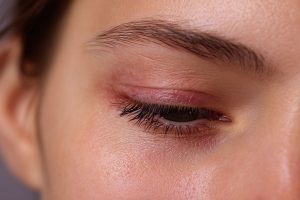
How Proptosis Affects Eyelid Closure and Corneal Health
Proptosis, commonly referred to as a bulging eye, is one of the most recognizable signs of Thyroid Eye Disease (TED) and other orbital conditions (1). While the cosmetic impact of

The TEPEZZA Infusion Process Explained Step by Step
Starting TEPEZZA treatment (TEPEZZA®/teprotumumab-trbw) can certainly feel like a big leap, especially if one has never received an infusion medication before (1). The good news is that the process is

Different Types of Surgery for Thyroid Eye Disease Explained
Thyroid Eye Disease (TED) is a complex, autoimmune disease that can cause inflammation and remodeling of the tissues around the eyes (1,2). TED typically progresses via an active/inflammatory phase followed

El Dr. Raymond Douglas aparecerá en The Balancing Act® para crear conciencia sobre la enfermedad ocular tiroidea.
El reconocido médico Dr. Raymond Douglas aparecerá en un próximo segmento local de The Balancing Act®, un programa reconocido a nivel nacional dedicado a la educación y la concientización sobre enfermedades raras y a menudo...

How Thyroid Eye Disease Can Impact Mental Health
Living with thyroid eye disease (TED) often feels like coping with two conditions at once, not only the physical changes around the eyes but also the emotional and psychological toll

Signs You Might Need Orbital Decompression Surgery
Thyroid Eye Disease (TED), also known as Graves’ orbitopathy or Graves’ eye disease, is an autoimmune disorder affecting tissues around the eye (orbital fat, muscles, connective tissue) (1,2). Orbital decompression
Riesgos de pérdida auditiva asociados con Tepezza
La aprobación de Tepezza® (teprotumumab) ha supuesto un gran avance en el tratamiento de la enfermedad ocular tiroidea (EOT) (1). Al ser el primer medicamento aprobado por la FDA específicamente para la EOT, ha ayudado a
¿La enfermedad ocular tiroidea puede afectar solo a un ojo?
La enfermedad ocular tiroidea (EOT) es una afección autoinmune compleja que afecta a los tejidos que rodean los ojos y que suele estar asociada a otras afecciones tiroideas, como la enfermedad de Graves (1). Es
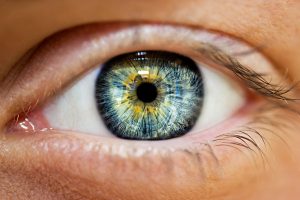
Lo que los científicos están aprendiendo sobre los fibroblastos en la progresión del TED
La enfermedad ocular tiroidea (EOT), u orbitopatía de Graves, es una afección autoinmune compleja que causa inflamación y remodelación del tejido detrás y alrededor de los ojos (1,2). Es una de las principales causas de

¿Por qué el síndrome de tetania de angiofibromas (TED) suele diagnosticarse erróneamente?
Nuestro sistema inmunológico puede defendernos de amenazas externas, como patógenos e infecciones, sin dañar nuestros tejidos. Una alteración de este delicado equilibrio entre lo ‘propio’ y lo ‘ajeno’ conduce a

Por qué la posición al dormir es importante para los síntomas del síndrome de la trompa de Falloppia
La enfermedad ocular tiroidea (EOT) es una afección autoinmune compleja que afecta a los tejidos que rodean los ojos y suele estar asociada a otras afecciones tiroideas, como la enfermedad de Graves (1). Es
 Spanish
  English